Hoop of Learning
Earn College Credits While You’re Still in High School. Get a Head Start!
The transition from high school to college can be challenging — especially if there are financial barriers in your way. Achieving a College Education (ACE) helps make it easier and can help ensure your success.
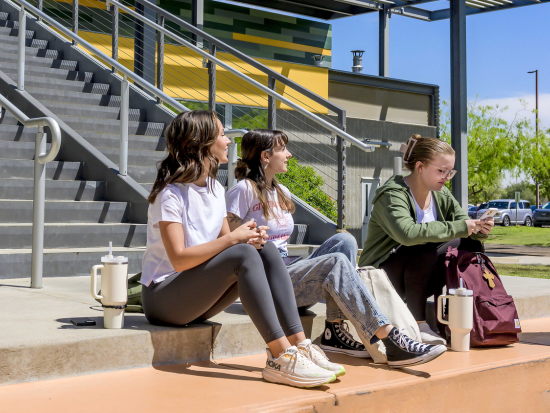
Program Overview & Requirements
- The Hoop of Learning (HOL) program was established by Chandler-Gilbert Community College in 2007.
- The goal of the program is to foster cultural resilience and address economic and cultural barriers faced by Native Americans.
- Southeast Valley high school districts and charter high school freshmen, sophomores and juniors are eligible to participate in HOL.
- Once accepted into the program, HOL students are concurrently enrolled in high school and college courses while on the Hoop of Learning scholarship. Students attend college classes during the summer and on Saturdays during the school year.
- HOL students earn general studies college credits that can be applied toward an associate degree and/or transfer to a university to earn their bachelor’s degree.
- Hoop of Learning students are eligible to participate until their expected high school graduation date.
The HOL program has four primary goals for its students:
- Support high school graduation.
- Increase enrollment and participation in college.
- Empower students to reach their goals.
- Prepare students to succeed by removing barriers.
- Students get a jump start on earning college credit while still attending high school.
- In-person, on-campus college experience.
- Explore educational and career opportunities.
- One-on-one academic advising.
- Meet other Native American students and make new friends through cohort classes.
- Engage with college faculty and community leaders.
- Utilize on-campus resources, such as tutoring, career services, library, computer labs, fitness center and more to improve your study skills.
- Opportunities to attend guest speaker presentations and professional workshops..
- Access to a variety of cultural, athletics and performing arts events to enhance your student experience.
- Learn about college financial aid processes and scholarship opportunities.
- Familiarize yourself with the enrollment process for transitioning to the next phase of your educational journey.
- Develop effective time management skills.
Students must be:
- An enrolled member of a federal/state recognized Native American tribe (or in the process of obtaining a census number).
- Self-motivated and demonstrate excellent attendance.
- Currently enrolled in high school and able to provide a current copy of their high school transcript.
- Have a GPA of 2.0 or higher.
- When applying, be sure to use your personal email address.
- Have an unofficial copy of your most recent high school transcript available.
- Have your Certificate of Indian Blood (CIB) or Tribal ID accessible.
Questions
Questions?
If you have questions or need assistance completing, contact [email protected] or 480-857-5142.
Student Highlights
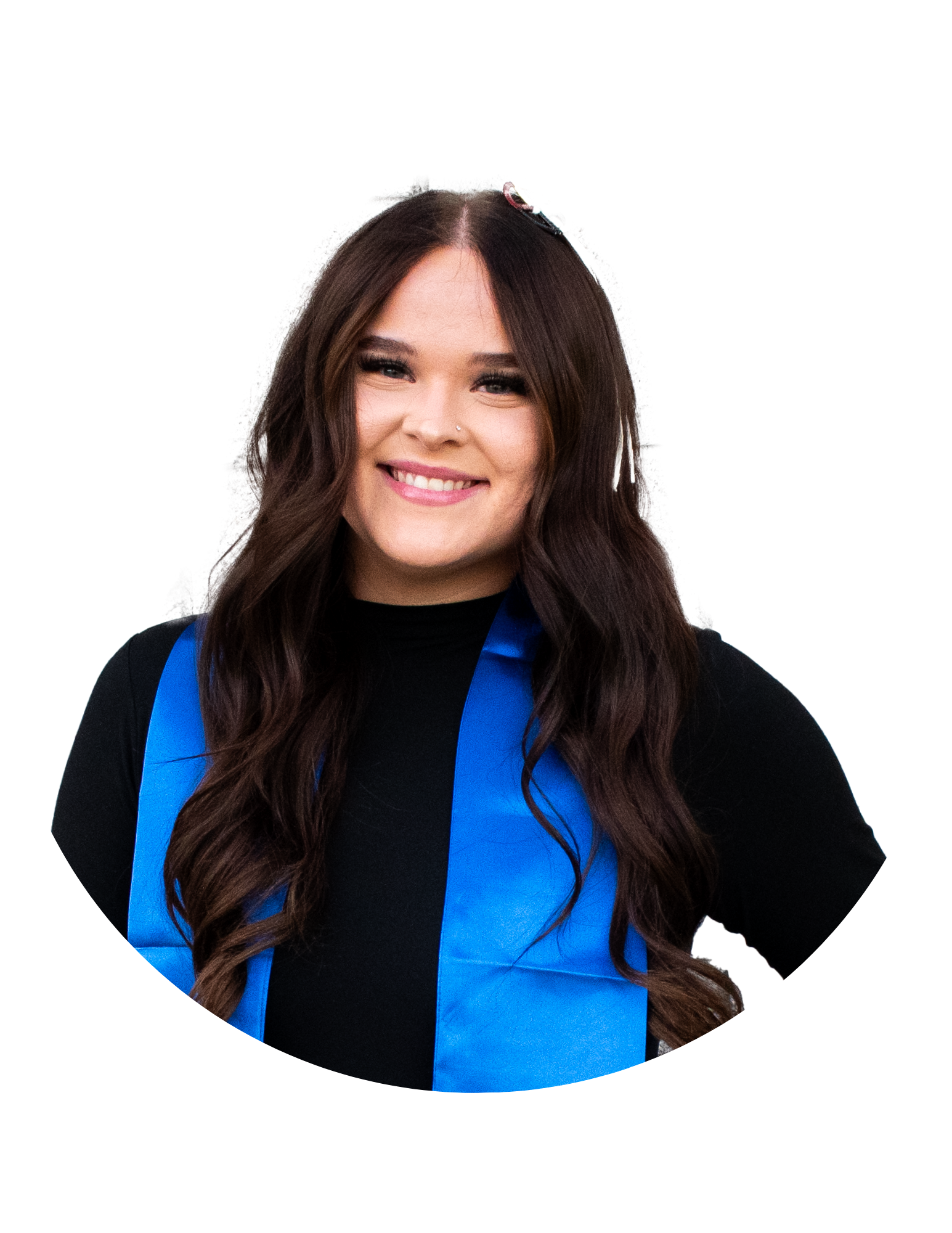
"Ava began her Hoop of Learning journey as a high school junior and demonstrated exceptional determination by earning 24 college credits through the program, along with an additional 6 credits through dual enrollment. Driven by her passion for helping others and serving her community, Ava is pursuing a career in nursing. Through her hard work and perseverance, she has already completed nearly all of the nursing program prerequisites shortly after graduating from high school, positioning herself for continued success in the healthcare field." Ava
"Gabriel joined the Hoop of Learning program as a high school senior and quickly distinguished himself through his dedication and academic achievement, earning 12 college credits before graduation. His outstanding performance earned him recognition as an Honors Achievement Scholar. Gabriel plans to continue his educational journey by completing his associate degree at CGC before transferring to a university, building on the strong foundation he established through his commitment to excellence." Gabriel
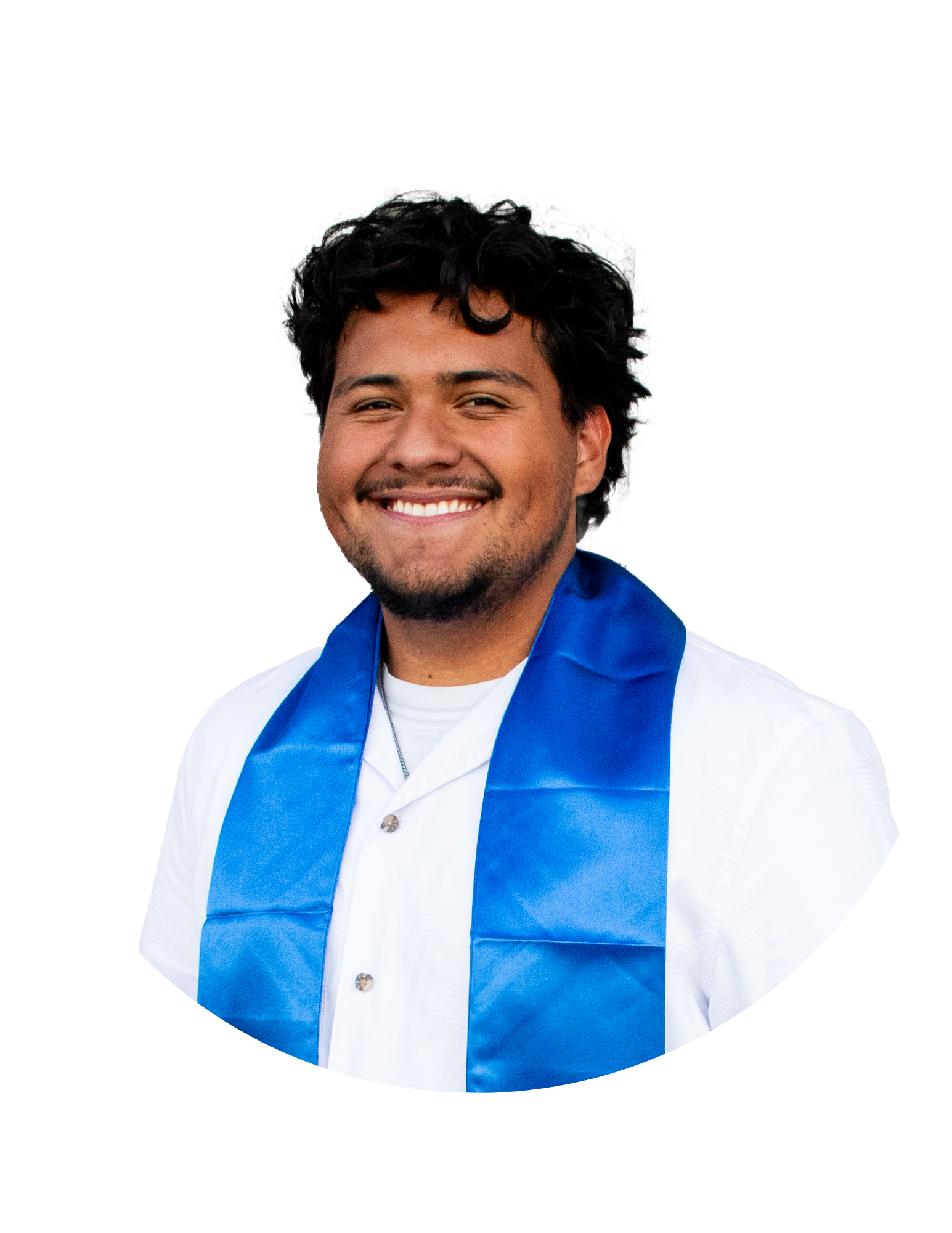

"Alexia embraced every opportunity to maximize her academic potential, combining her Hoop of Learning scholarship experience with rigorous AP coursework to accelerate her college journey. She earned 24 college credits through the Hoop of Learning program and an additional 26 credits through outstanding AP exam performance. Alexia is on track to complete her associate degree in Summer 2026 and was honored with the distinction of reading the Land Acknowledgment for the Class of 2025 during the college graduation ceremony—an achievement that reflects both her leadership and her impact on the campus community." Alexia
Tribal Sovereignty Statement
Tribal Sovereignty Statement
*Tribes are distinct political entities with political sovereignty. Tribal sovereign nations have a government-to-government relationship with the U.S. government based on historical treaties, statues, and historical relations. Arizona is a unique state with 22 federally-recognized Native American tribes located within its borders. Maricopa Community Colleges recognizes the unique sovereign status of these tribes as well as those across the United States. As such, all scholarships offered to tribally enrolled members of a sovereign nation are not based on race or ethnicity but rather acknowledgement of tribal communities' unique political status recognized by the federal government and protected by the U.S. Constitution within the United States.